Top 10 Endangered Animals: A Deep Dive into the Planet’s Most Vulnerable Species
The world is rapidly changing around us, and biodiversity is under extreme pressure with extinction a part of daily life for thousands of animal species. As per the International Union for Conservation of Nature (IUCN), over 41,000 species face extinction. The main factors contributing to this include habitat loss, climate change, poaching and human encroachment. In this article, we shall talk about the top 10 most endangered animals and what needs to be done urgently to save them.
Javan Rhino
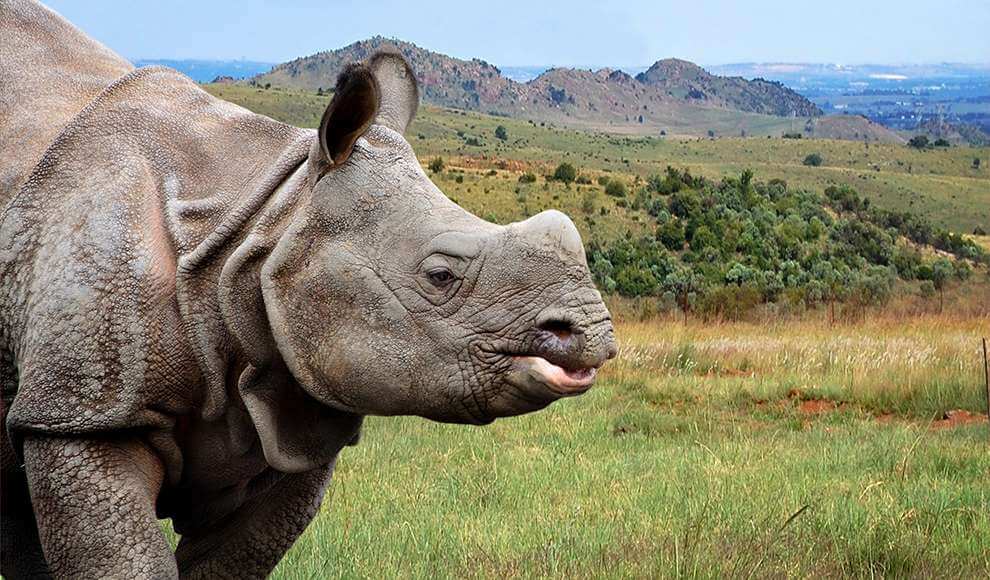
Population:75 individuals
US | Ujung Kulon National Park (Java, Indonesia)
IUCN Red List: Critically Endangered
Once dispersed throughout Southeast Asia, the Javan Rhino is now the rarest of all five rhino species. Today, there are just 75 of these animals left — all in Indonesia’s Ujung Kulon National Park. Having such a small population puts them at great risk from natural disasters or disease, and increases the potential for inbreeding. The Arenga palm, invasive introduced to the species, has displaced natural grasses–in conjunction these decreasing habitats have diminished food and range for these rhinos. This critically endangered species has struggled to survive, but conservationists are helping them by removing invasive species from the park and maintaining strict anti-poaching patrols.
Amur Leopard
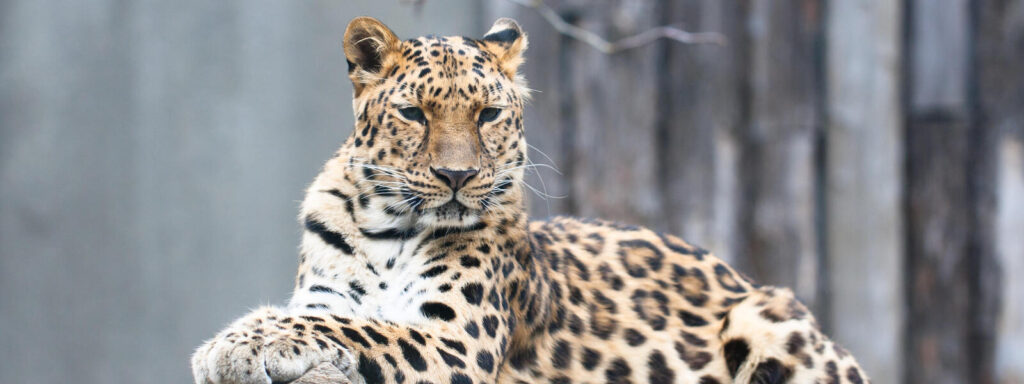
Population:100 individuals
Area: North-east Russia / South-east Manchuria
IUCN Red List Status: Critically Endangered
Real Amur Leopard within 100 count in wilderness their status of rarest big cat It is primarily found around the small area of Russia’s Primorye Province and northeast China. Several threats such as poaching, habitat fragmentation and scarcity of prey are known to endanger this species. Conservationists remain cautiously optimistic as nearly 75 percent of Amur Leopard habitat is protected and new suitable habitat continues to be secured, but the population needs to grow.
Sunda Island Tiger

Population:600 individuals
Location: Sumatra, Indonesia
Conservation Status: Critically Endangered
The Sunda Island Tiger, or as it is most commonly known, the Sumatran Tiger, is the world’s smallest tiger subspecies and is only found in Indonesia on the island of Sumatra. Deforestation and human encroachment have decimated its habitat, while poaching continues to be a major threat. Conservation groups are strengthening anti-poaching initiatives and collaborating with local communities to stop further loss of natural habitat. Yet despite these efforts, the fate of the Sunda Tiger remains uncertain.
Mountain Gorilla
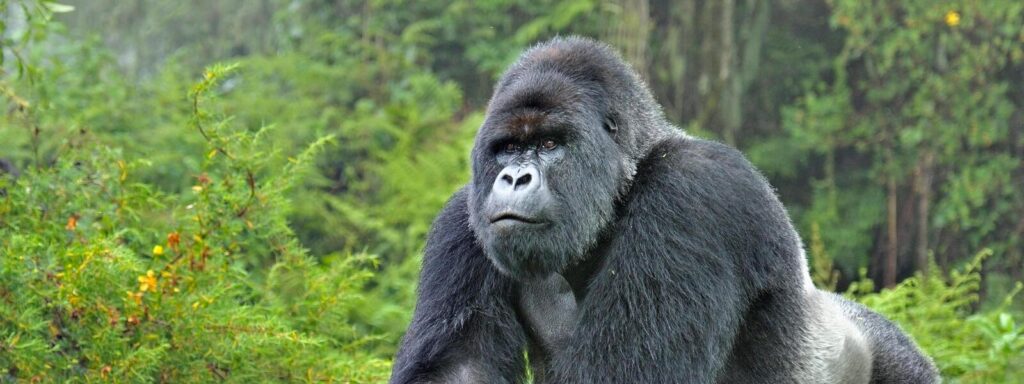
Population:1,000 people
So here we have a place, with countries already in mind: DRC, Rwanda and Uganda
Conservation Status: Near Threatened
Mountain Gorillas are located in the high altitude areas of Virunga Mountains, near Central Africa. Traffic, habitat encroachment and anthropogenic diseases threaten these gorillas. With more than half a million people living in the densely populated Virunga region in close proximity to mountain gorilla habitats, human-gorilla conflict is inevitable. However, thanks to conservation organizations and initiatives like the International Gorilla Conservation Programme (IGCP), locals are getting involved and populations are climbing.
Tapanuli Orangutan

Population: Less than 803 individuals
Location: Batang Toru Ecosystem, Sumatra, Indonesia
Conservation Status: Endangered
The Tapanuli Orangutan, which was discovered as a new species in 2017, is the least populous of all great apes. The Tapanuli Orangutan, located solely in the Batang Toru Ecosystem of Sumatra, is endangered due to habitat destruction from agricultural expansion and logging along with a controversial hydroelectric dam project. Environmental groups are calling for Better Protection and Restoration of Batang Toru Forests as well as Sustainable Development Practices around the area in order to Save this Unique Species.
Yangtze Finless Porpoise
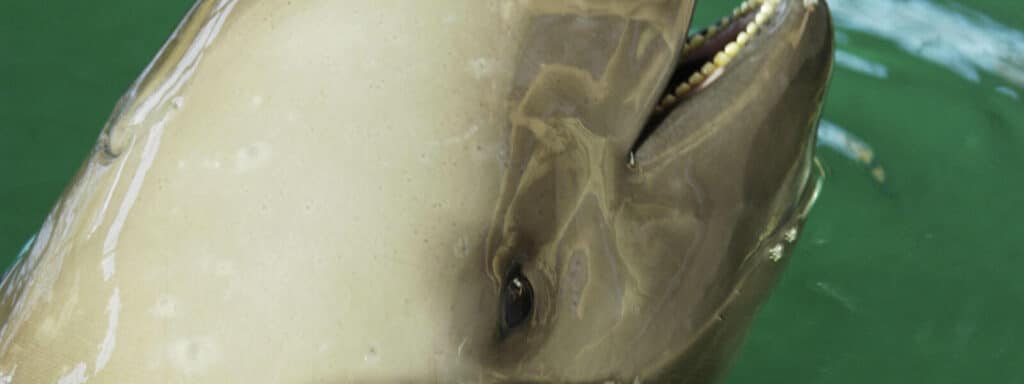
Population:3,000 individuals
Location: Yangtze River in China
Status: CR (Critically Endangered)
Image: The Yangtze Finless Porpoise, the only freshwater porpoise on earth is critically endangered. The Yangtze River has been heavily industrialized, resulting in water pollution and increased fishing, which have caused habitat degradation that threatens this species. In 2021, the Chinese government raised the porpoise’s protection level and launched conservation programs to tackle pollution and conserve habitat. However, the population remains critically endangered, with an estimated annual decline of 13%.
Black Rhino

Population:5,630 persons
Location: Kenya, Namibia, South Africa, Zimbabwe
Classification: Critically Endangered
Between poaching, which very much peaked between the 1960s and 1990s, only about 2 percent of the Black Rhino population that existed prior to this time has survived. Although conservation has led to a massive recovery, Black Rhinos are still considered heavily endangered. Rhinos remain under threat from poaching for their much-sought horns in the black market. Conservation programs have been aggressive in implementing anti-poaching initiatives across Africa and subsequently translocating rhinos to designated safe areas to facilitate population increases.
African Forest Elephant

Population:Inaccessible, estimated 30,000 individuals
Location:Central Africa & West Africa
Conservation status: critically endangered
The African Forest Elephant is a smaller member of the African elephant family, generally found in the thick forests of Central/West Africa. They are not easily spotted so estimating population numbers is difficult. Habitat loss, poaching for ivory, and conflicts between people and elephants (especially since forests are being cleared to grow food) all threaten Forest Elephants. Conservation is focused on recovering habitat and enforcing against poaching, but this will be a long process.
Sumatran Orangutan
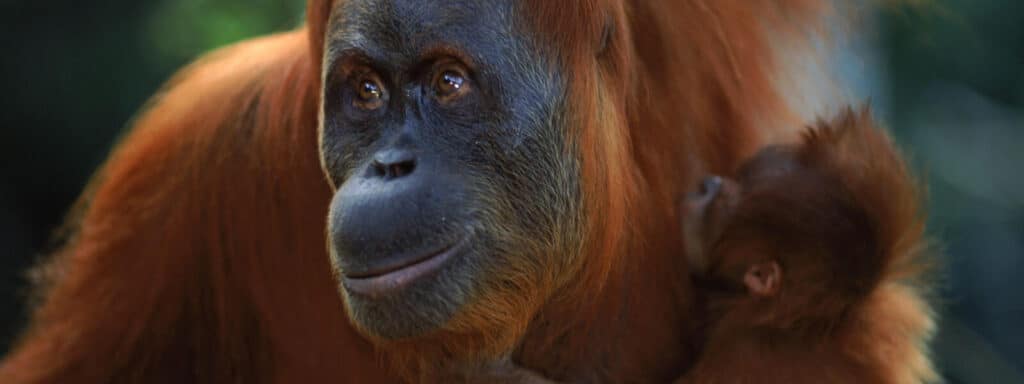
Total Number of Inhabitants:14000
Location: Sumatra, Indonesia
Conservation Status: Critically Endangered
Wikimedia Commons The Sumatran Orangutan, which lives only in northern Sumatra (as opposed to the Tapanuli in southern Sumatra), probably faces many of the same threats as its close relative. Ravage species of orangutans have due to logging, palm oil plantation industries and poaching. At this point, conservation groups are trying to protect orangutan habitats, promote sustainable agriculture and set up rescue centers for displaced orangutans. The Leuser Ecosystem in the north of Sumatra is still an important bastion for the Sumatran Orangutan.
Hawksbill Turtle

Population:23000 Nesting Females
Habitat: Tropical and subtropical waters of the Atlantic, Indian and Pacific OCEANS
IUCN Redlist Conservation Status: CR (Crictically Endangered)
The Hawksbill Turtle is one of the most critically endangered species of sea turtle. The main reason for this are their shells, which are poached and traded illegally. These turtles are easily recognized by their colorful shells, and are often hunted for jewelry and other ornaments. Hawksbills are also affected by habitat degradation, climate change and marine pollution. With the help of conservationists, there are measures that curb turtle product demand such as nesting site protection, anti-poaching laws and awareness campaigns. Conservation efforts like these are a lifeline for the future of the Hawksbill Turtle.
Conservation Challenges and Work
The fate of these endangered species highlights the desperate need for effective conservation programs. There are many reasons as to why these species are dying/trending downwards, such as:
Habitat Loss: More forests are being destroyed to provide space for industry, agriculture or housing as nature has little room.
Poaching and Illegal Wildlife Trade: The demand on the black market for exotic animals and their parts encourages poaching, even where international bans are in place. This makes species such as a rhinos for their horns, elephants for their ivory and tigers for their bones prime target.
Climate Change: Changing landscapes due to increased temperatures, shifts in rainfall patterns and the rise of sea-level are affecting food supplies and migratory patterns.
Human-Wildlife Conflict: With the increasing human population, wildlife and humans are coming across each other more often leading to several conflicts where both ends stand at a risk.
People around the world have begun implementing strategies to save endangered animals, such as
Protected areas Set up reserves, national parks and Marine protected area which protects endangered species habitats.
Combat Illegal Hunting: Anti-Poaching Laws and Enforcement Stricter laws as well as increased enforcement and patrols are required to combat illegal hunting of wildlife.
Community Participation: As part of rehabilitating endangered wildlife and the habitats they occupy, seeking to involve local communities develops sustainable alternative livelihoods which lessen pressures on dependant exploitation.
Habitat Restoration: This can also help as many of the efforts directed to restoring degraded ecosystems aim to bring them back into a condition that they are again good habitats for endangered species.
Awareness Campaigns: Raising public awareness about the significance of biodiversity and conservation encourages backing for endangered animals.
What Can You Do to Help?
The responsibility of protecting the endangered species goes beyond government and conservation professionals. Here are a few ways you can help:
Engage in Responsible Eco-Tourism: If you explore wildlife areas, opt for eco-friendly and ethical tourism that honors local plants and animals.
Say No To Wildlife Products: Do not buy products made from animal body parts such as ivory, turtle, and tiger products.
Give Money to Conservation Groups: There are a ton of organizations that devote their entire existence to saving endangered species and they need the public to help them do so.
Reduce The Plastic Use: Marine Animals such as sea turtle are very susceptible to plastic pollution, for that reason help by not using many plastics.
Spread the Word: Informing others about endangered species and conservation efforts through social media or within your community can help raise awareness and promote action.
Conclusion
These top 10 endangered animals remind us why we must conserve. Every species is a cog in its machine, and the absence of a single one could drive cascading effects that upend natural equilibria. While conservation efforts—ranging from habitat preservation to education and academic research—are gaining traction in many parts of the world, more must be done as we should offer our children an earth teeming with life rather than anything less.
Through knowledge of their threats and by participating in conservation, we can ensure these splendid animals endure along with the ecosystems that support all life on Earth.